Vectibix® is indicated for the treatment of adult patients with wild-type RAS (defined as wild-type in both KRAS and NRAS as determined by an FDA-approved test) metastatic colorectal cancer (mCRC): Read More
Bradley G. Somer, MD, is a paid consultant for Amgen.
*Defined as wild type in both KRAS and NRAS.
KRAS = Kirsten rat sarcoma viral oncogene homolog; mCRC = metastatic colorectal cancer; NRAS = neuroblastoma RAS viral oncogene homolog; PARADIGM = Pantiumumab and RAS Diagnostically useful Gene Mutation for metastatic colorectal cancer (mCRC); RAS = rat sarcoma viral oncogene homolog; WT = wild type.
Reference: Vectibix® (panitumumab) prescribing information, Amgen.
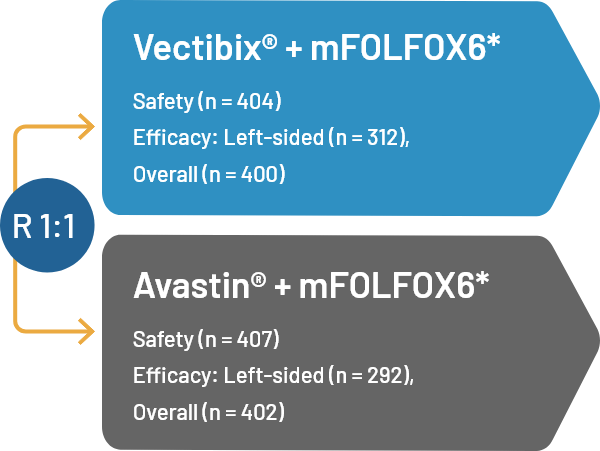
First phase 3 study designed to prospectively compare Vectibix® and Avastin® in combination with mFOLFOX6 for patients with WT RAS * left-sided mCRC1
Head-to-head study (N=823) comparing Vectibix® to Avastin® in combination with chemotherapy in Japanese patients with WT RAS * mCRC and left-sided primary tumors1
First prospective study comparing the effects of biologic therapies in patients with left-sided primary tumors1
*Defined as wild type in both KRAS and NRAS.2
1L = first line; FOLFOX = fluorouracil, leucovorin, and oxaliplatin; mCRC = metastatic colorectal cancer; PARADIGM = Panitumumab and RAS, Diagnostically useful Gene Mutation for metastatic colorectal cancer (mCRC); RAS = rat sarcoma viral oncogene homolog; WT = wild type.
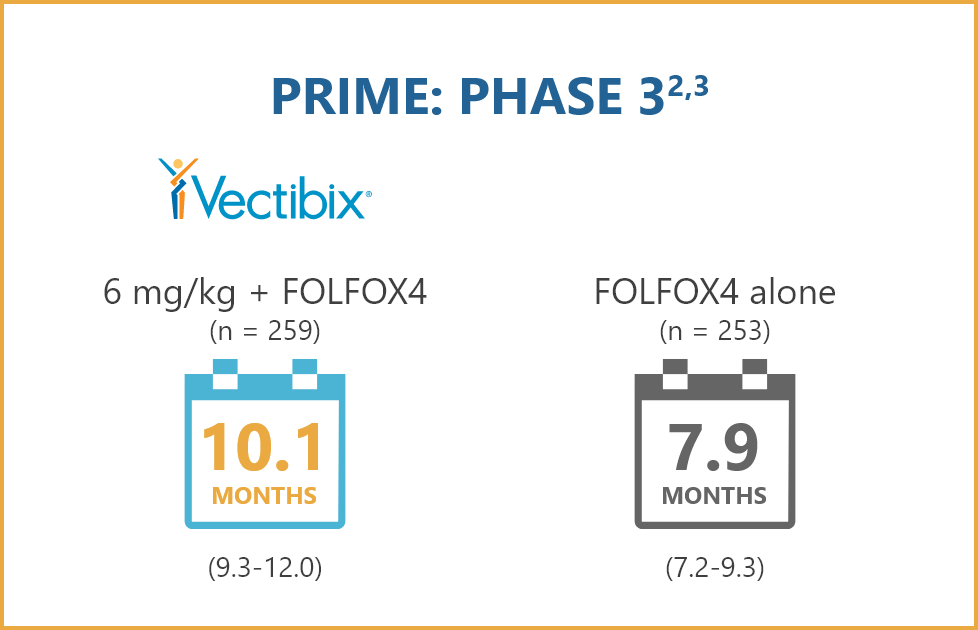
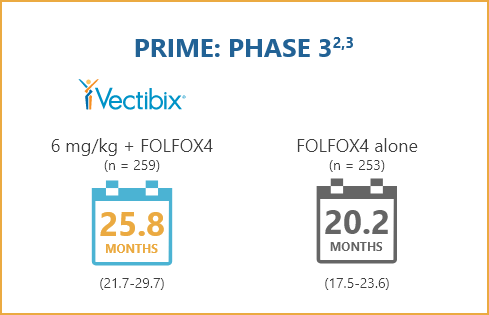
Early targeted therapy with Vectibix® + FOLFOX4 improved survival in newly diagnosed WT RAS* mCRC patients2,3


There are no OS or PFS benefits in patients with RAS-mutant mCRC treated with Vectibix®2
PRIME PHASE 3 STUDY DESIGN
PRIME was an open label, randomized (1:1), multicenter study of Vectibix® Q2W + FOLFOX4 vs FOLFOX4 Q2W alone in treatment of newly diagnosed mCRC patients. Among the study population of 1,183 patients with previously untreated mCRC, 656 were WT KRAS† patients. The extended RAS population in the post hoc analysis consisted of 512 WT RAS* patients. Of these, 259 received Vectibix® + FOLFOX4 and 253 received FOLFOX4 alone.2,3
*Defined as wild type in both KRAS and NRAS.2
†Exon 2 in codons 12 and 13.1
1L = first line; CI = confidence interval; FOLFOX = fluorouracil, leucovorin, and oxaliplatin; HR = hazard ratio; KRAS = Kirsten rat sarcoma viral oncogene homolog; mCRC = metastatic colorectal cancer; OS = overall survival; PFS = progression-free survival; PRIME = Panitumumab Randomized Trial in Combination With Chemotherapy for Metastatic Colorectal Cancer to Determine Efficacy; Q2W = every 2 weeks; RAS = rat sarcoma viral oncogene homolog; WT = wild type.
Phase 3, randomized, open-label, multicenter study in Japanese patients1
TapClick arrow to see Important Study Considerations
:
Vectibix® vs Avastin® in combination with mFOLFOX6
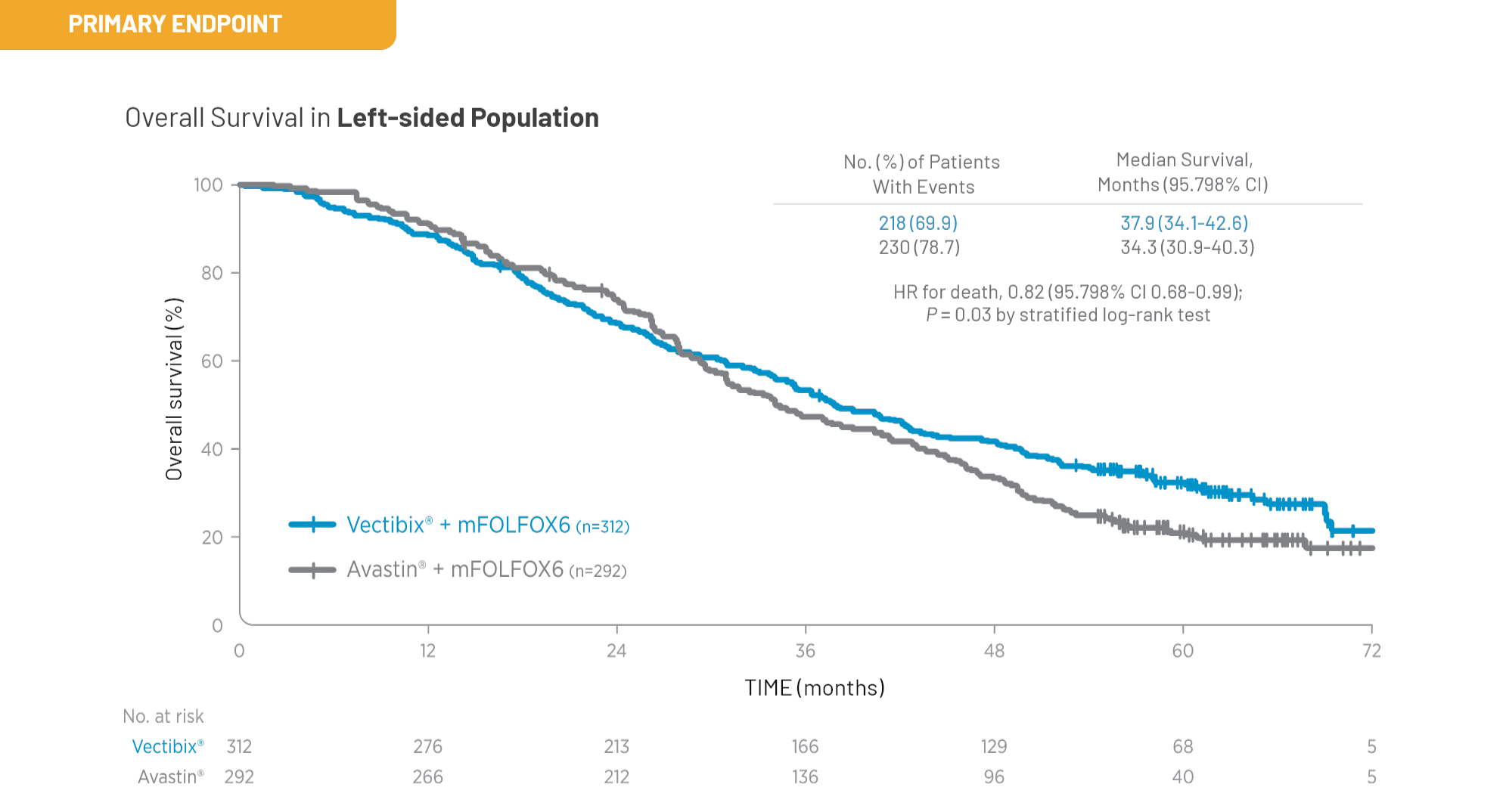
Primary Endpoint
18% reduction in the risk of death for patients with left-sided tumors treated with Vectibix® vs Avastin®


Vectibix® plus mFOLFOX6 provided a survival benefit vs Avastin® plus mFOLFOX6, reinforcing the clinical value of
Vectibix® as a first-line treatment in patients with WT RAS*, left-sided metastatic colorectal cancer.
*Defined as wild type in both KRAS and NRAS.2
CI = confidence interval; FOLFOX = fluorouracil, leucovorin, and oxaliplatin; HR = hazard ratio; mCRC = metastatic
colorectal cancer; RAS = rat sarcoma viral oncogene homolog; WT = wild type.
secondary endpoints


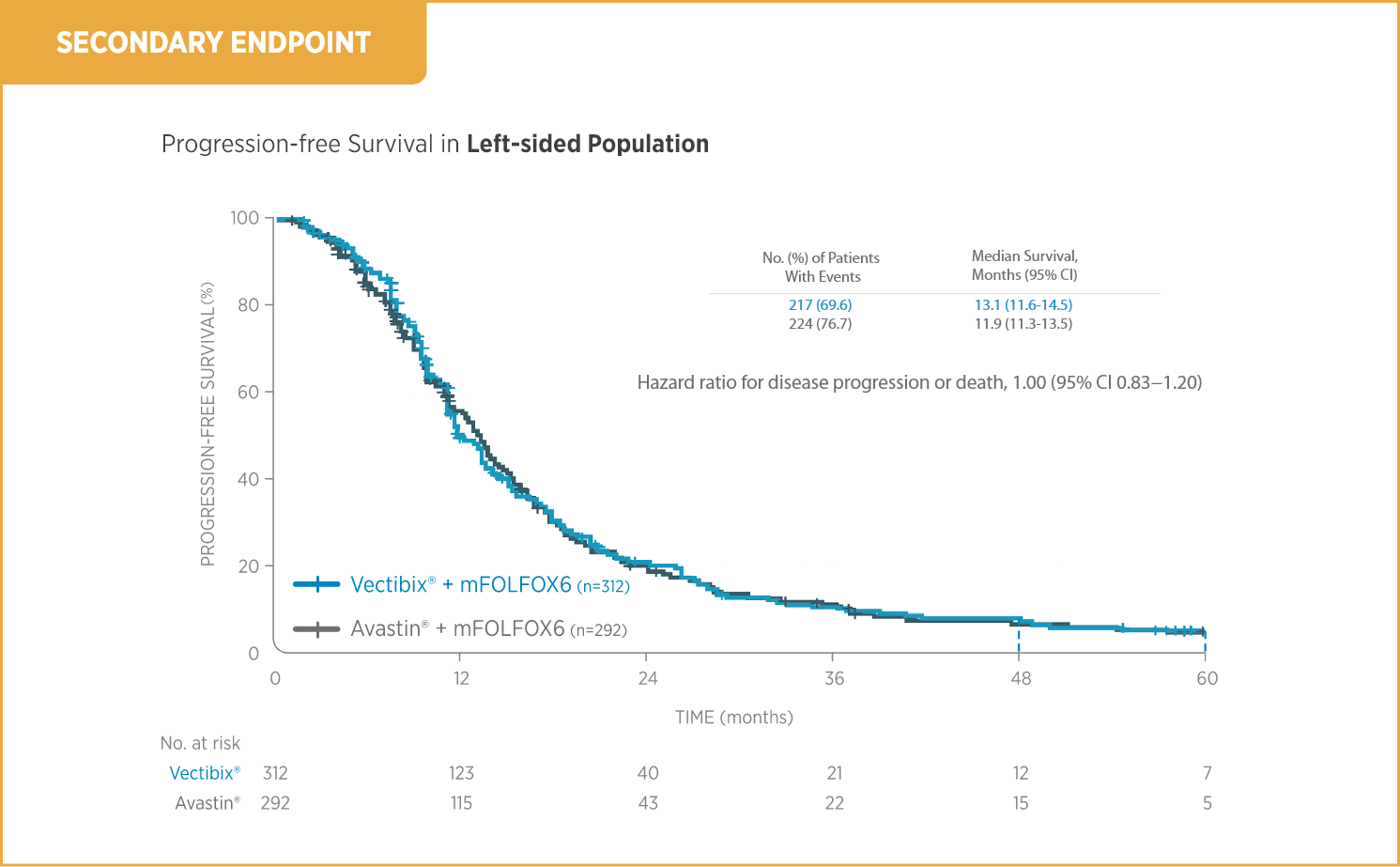
Analysis was not powered or adjusted for multiplicity to assess efficacy on this endpoint.
Patients who underwent curative resection were censored from the PFS analysis on the final day when no progressive disease was confirmed. This censoring could have impacted the PFS results.
CI = confidence interval; FOLFOX = fluorouracil, leucovorin, and oxaliplatin; HR = hazard ratio; PFS = progression-free survival.
secondary endpoints


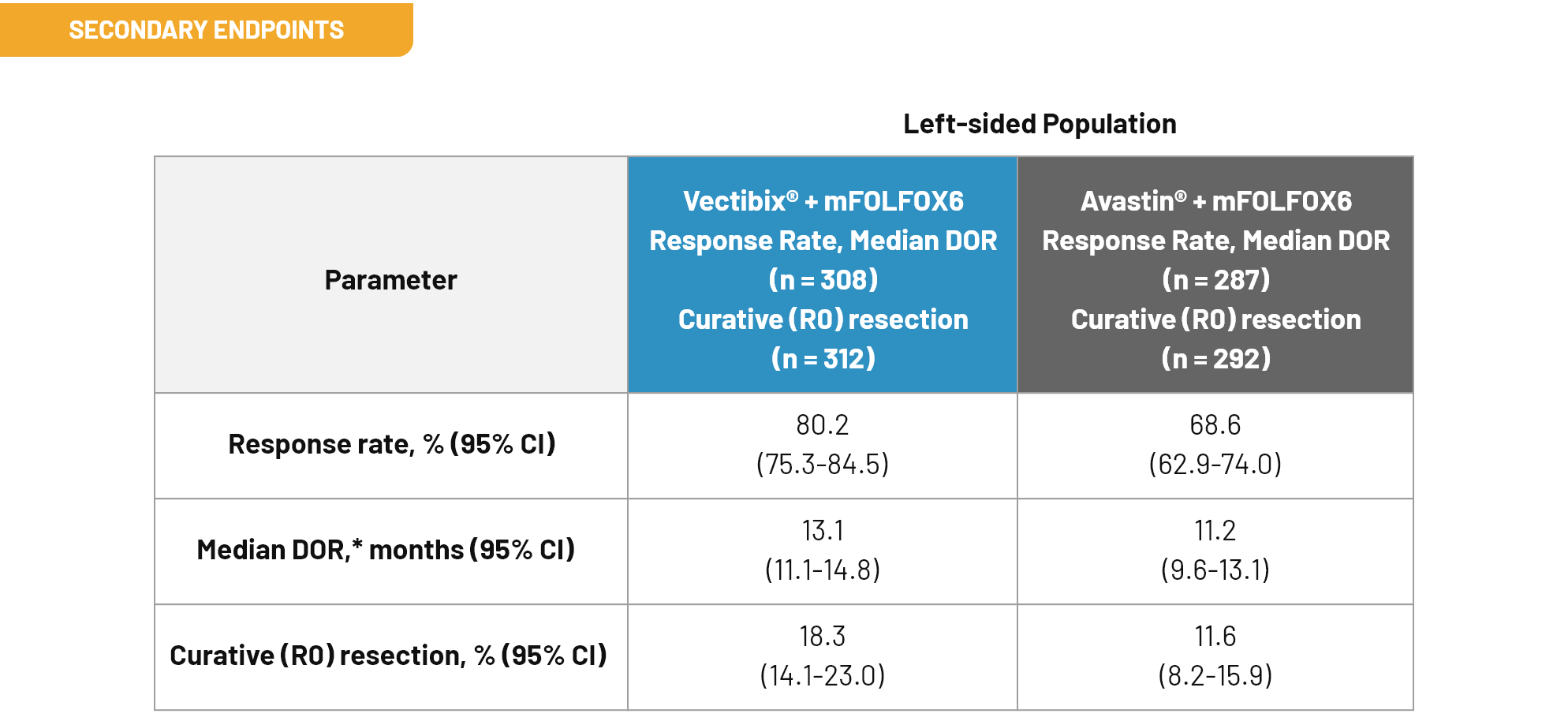
Analyses were not powered or adjusted for multiplicity to assess efficacy on these endpoints.
*DOR was evaluated in patients with complete or partial response.1
CI = confidence interval; DOR = duration of response; FOLFOX = fluorouracil, leucovorin, and oxaliplatin.
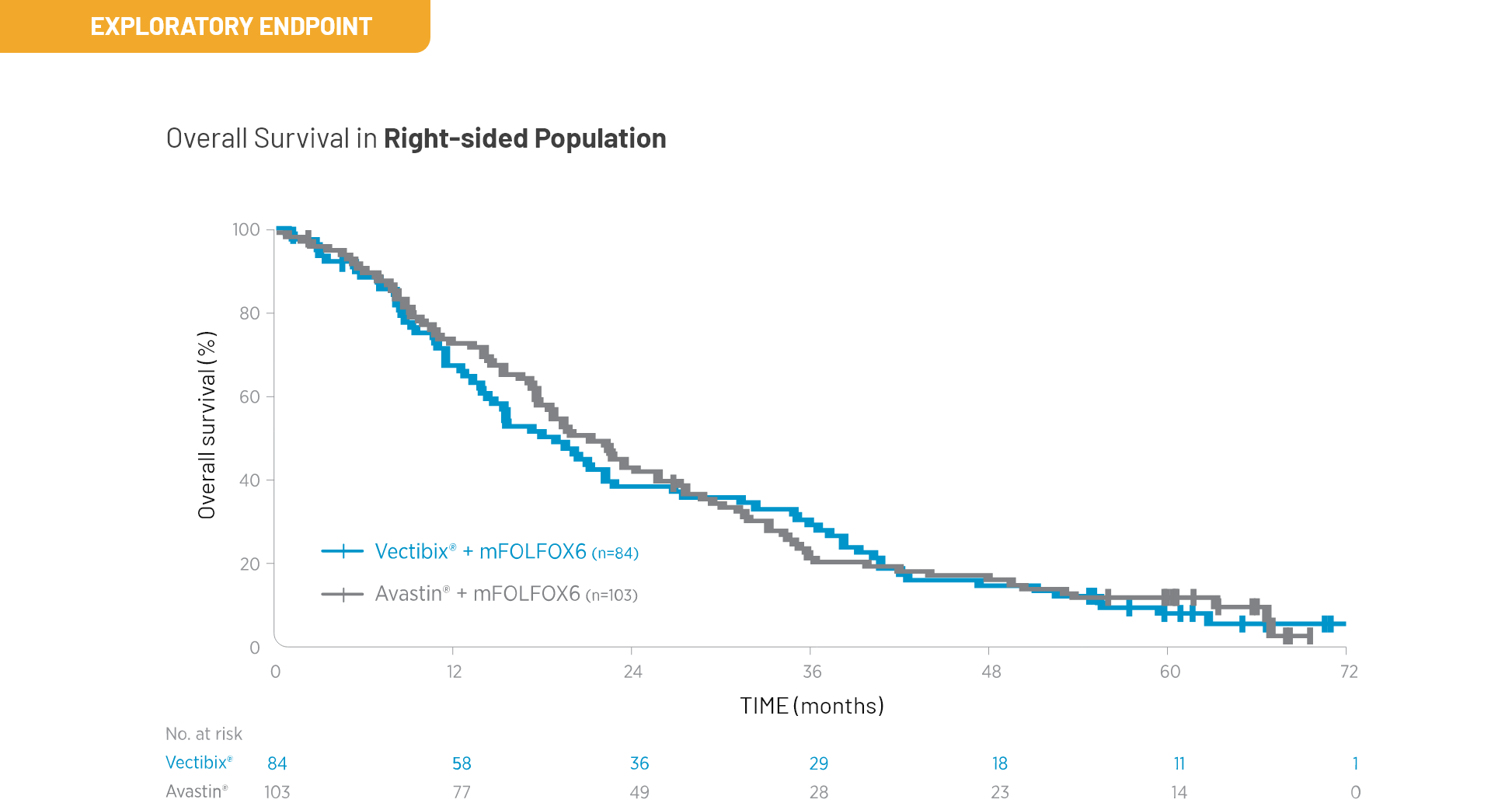
The PARADIGM Study exploratory endpoints could inform your expectations for patient treatment response. These analyses were not powered to assess efficacy.
Exploratory endpoints


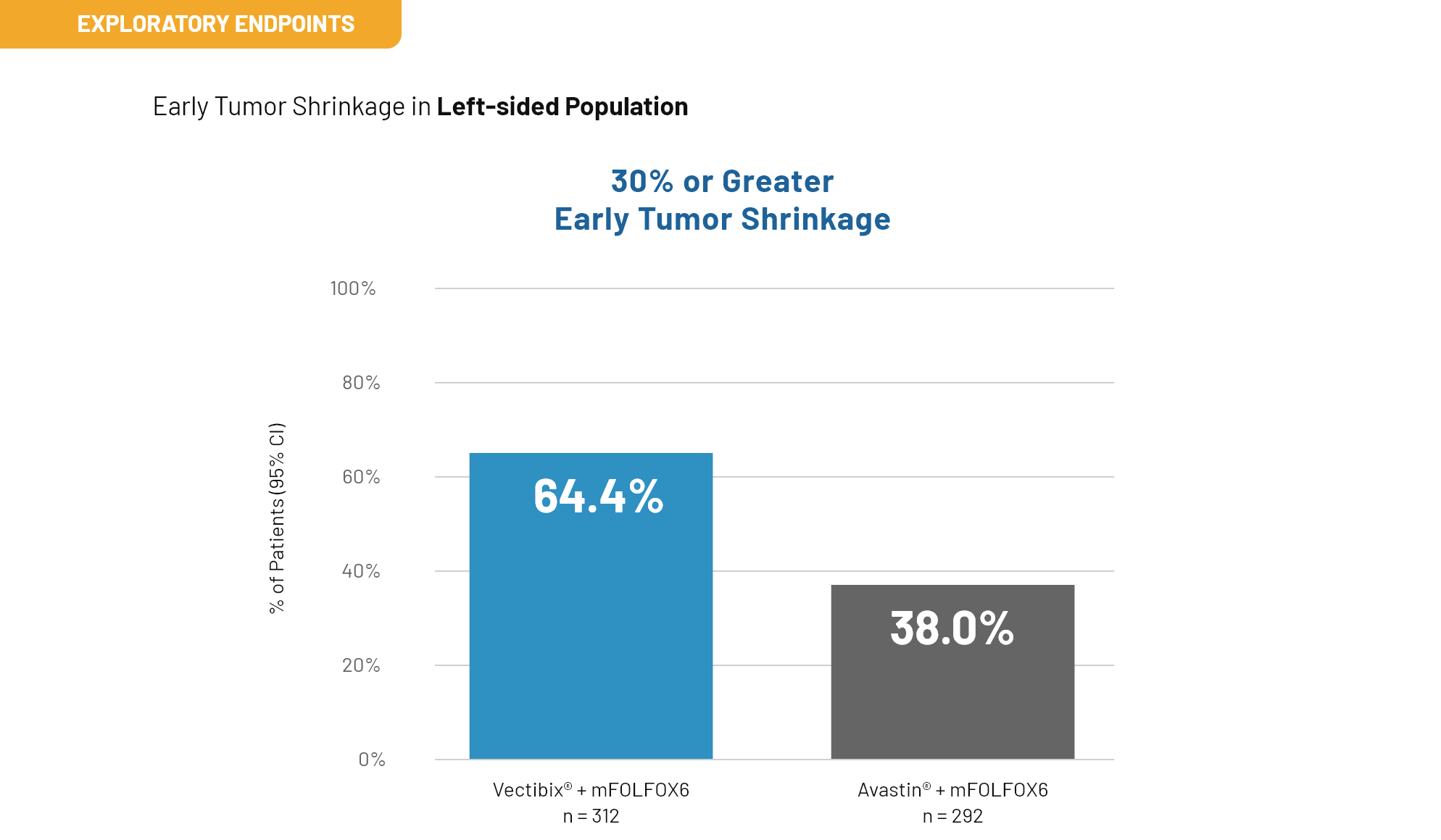
Analysis was not powered or adjusted for multiplicity to assess efficacy in this endpoint.
CI = confidence interval; FOLFOX = fluorouracil, leucovorin, and oxaliplatin.
Exploratory endpoints


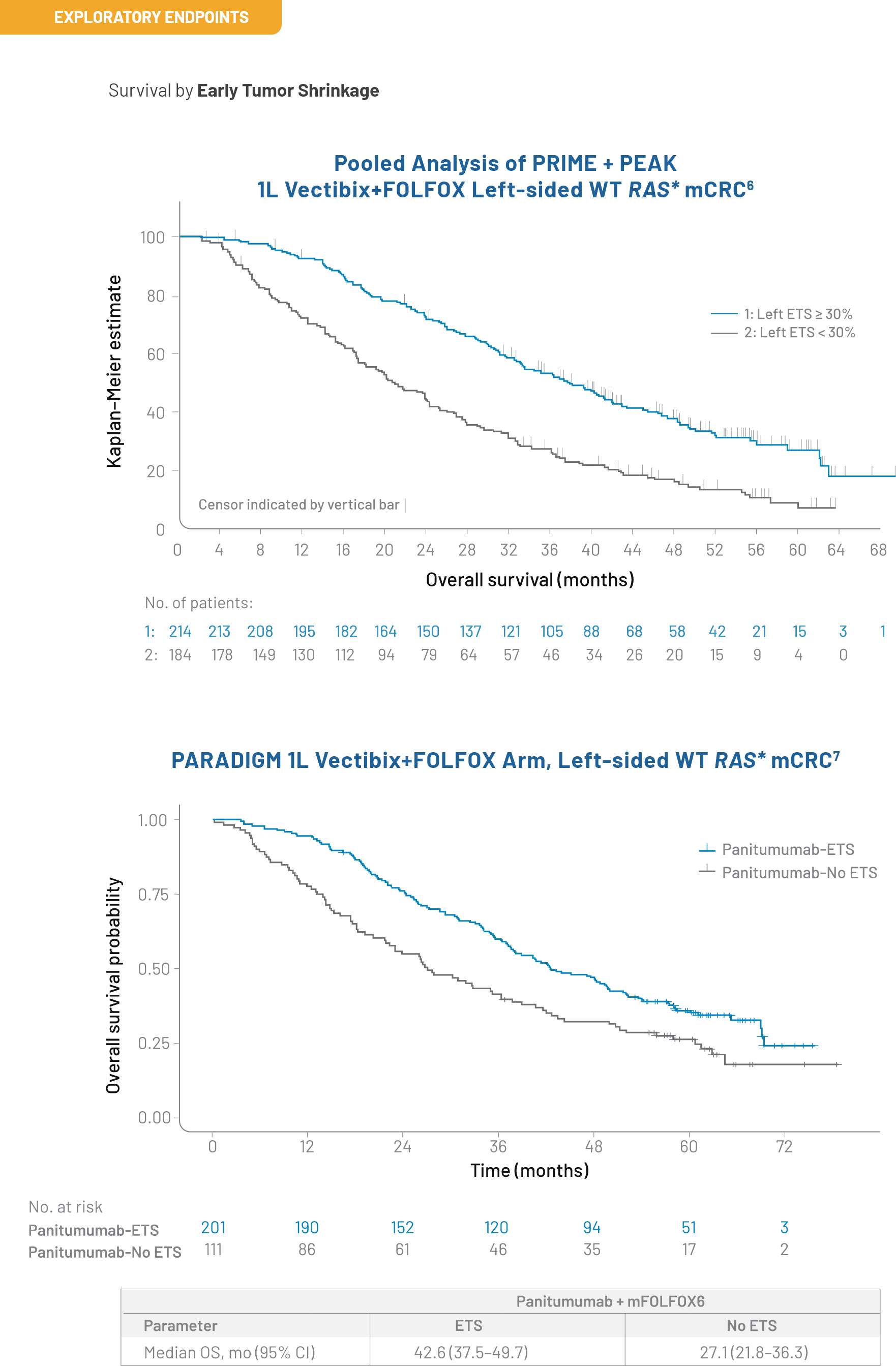
*Defined as wild type in both KRAS and NRAS.2
1L = first line; CI = confidence interval; ETS = early tumor shrinkage; FOLFOX = fluorouracil, leucovorin, and
oxaliplatin; KRAS = Kirsten rat sarcoma viral oncogene homolog; mCRC = metastatic colorectal cancer; mo = months; NRAS =
neuroblastoma RAS viral oncogene homolog; OS = overall survival; RAS = rat sarcoma viral oncogene homolog;
WT = wild type.
Exploratory endpoints


Depth of response is defined as the best percentage change from baseline in target lesions. Depth of response evaluated in patients with measurable lesions in baseline.
Horizontal dotted line at ~30% indicates threshold for partial response, a decrease in target lesion size by approximately 30%, as defined by RECIST v1.1.
Predefined exploratory endpoint. Analysis was not powered or adjusted for multiplicity to assess efficacy.
FOLOX = fluorouracil, leucovorin, and oxaliplatin; RECIST = Response Evaluation Criteria in Solid Tumors.
Exploratory endpoints


Predefined exploratory endpoint. Analysis was not powered or adjusted for multiplicity to assess efficacy.
FOLFOX = fluorouracil, leucovorin, and oxaliplatin.
Outcomes
EGFR = epidermal growth factor receptor.
:
Adverse events of any grade ≥ 20% in either treatment arm.8


Dermatological toxicity reactions occurred predominantly in the Vectibix® arm.1 Prophylactic measures may help reduce the severity of dermatologic toxicities.13 Examples of prophylactic skin treatments can be found here.
PARADIGM = Panitumumab and RAS, Diagnostically useful Gene Mutation for metastatic colorectal cancer (mCRC).
*A hypothetical patient profile of treatment for a newly diagnosed mCRC patient.
mCRC = metastatic colorectal cancer.

Dermatologic Toxicity: Dermatologic toxicities occurred in 90% of patients and were severe (NCI-CTC Grade 3 and higher) in 15% of patients receiving Vectibix monotherapy
Please see Vectibix® full Prescribing Information, including Boxed WARNING.
Vectibix® is indicated for the treatment of adult patients with wild-type RAS (defined as wild-type in both KRAS and NRAS as determined by an FDA-approved test) metastatic colorectal cancer (mCRC):
Vectibix® is not indicated for the treatment of patients with RAS-mutant mCRC unless used in combination with sotorasib in KRAS G12C-mutated mCRC. Vectibix® is not indicated for the treatment of patients with mCRC for whom RAS mutation status is unknown.
For information about the use of Vectibix® in combination with sotorasib, see Vectibix® Prescribing Information.
Please see Vectibix® full Prescribing Information, including Boxed WARNING.
Interstitial Lung Disease (ILD)/Pneumonitis
Most Common Adverse Reactions
Drug Interactions
LUMAKRAS® is indicated for the treatment of adult patients with KRAS G12C-mutated locally advanced or metastatic non-small cell lung cancer (NSCLC), as determined by an FDA-approved test, who have received at least one prior systemic therapy.
This indication is approved under accelerated approval based on overall response rate (ORR) and duration of response (DOR). Continued approval for this indication may be contingent upon verification and description of clinical benefit in a confirmatory trial(s).
Please see accompanying LUMAKRAS® full Prescribing Information.
Dermatologic Toxicity: Dermatologic toxicities occurred in 90% of patients and were severe (NCI-CTC Grade 3 and higher) in 15% of patients receiving Vectibix monotherapy
References
1. Watanabe J, Muro K, Shitara K, et al. JAMA. 2023;329:1271-1282 2. Vectibix® (panitumumab) prescribing information, Amgen. 3. Douillard J-Y, Oliner KS, Siena S, et al. N Engl J Med. 2013;369:1023-1034. 4. AVASTIN® (bevacizumab) prescribing information, Genentech. 5. Ma P, Yang BB, Wang YM, et al. J Clin Pharmacol. 2009;49:1142-1156. 6. Peeters M, Price T, Taieb J, et al. Br J Cancer. 2018;119:303-312. 7. Muro K, Watanabe J, Shitara K, et al. Poster presented at: Annual Meeting of the European Society of Medical Oncology (ESMO); September, 2022; Paris, France. 8.Yoshino, T. Presented at: 2022 ASCO Annual Meeting; June 3-7, 2022; Chicago, IL. 9. Chen D, Li L, Zhang X, et al. Medicine (Baltimore). 2018;97:e0097. 10. Arnold D, Lueza B, Douillard JY, et al. Ann Oncol. 2017;28:1713-1729. 11. Tejpar S, Stintzing S, Ciardiello F, et al. JAMA Oncol. 2017;3;194-201. 12. Loree JM, Dowers A, Tu D, et al. Clin Cancer Res. 2021;27:52-59. 13. Kobayashi Y, Komatsu Y, Yuki S, et al. Future Oncol. 2015;11:617-627.